
Written by Emma House, July 2025
The Marine Science Society is a growing community of both undergraduate and postgraduate students, keen to learn more about the ocean. Having only established in 2023, the society has flourished over this time, allowing members to develop lab skills and animal husbandry skills whilst enjoying an array of socials including cold water swims and ocean-themed quizzes!
- Our research
Over the past year we have shifted our research to a new focus. We are hoping to determine the effects of biochar on coral growth. Currently, the corals are acclimatising in tanks within the Grant Institute and biochar plugs have been purchased, in order to easily pickup our work come September.
We wouldn’t be able to do this project without Dr. Sebastian Hennige, our port of call whilst developing this experiment, as well as the student experience grant and development fund, for which we are very grateful.

Fig 1: Mycedium coral species acclimatising
- Tank cleaning
A big part of the society has always been maintaining the tanks at the Grant Institute – from scraping to siphoning algae and collecting parameters such as temperature and pH to ensure the range of marine life is thriving. So far we have successfully trained around 13 members of the society in lab safety and animal husbandry, helping Barak, our resident clownfish, live a happier life with less algae floating around!

Fig 2: Members of the marine science society cleaning the tanks.
A more up to date inventory of our tanks:
- Barak: Clownfish (Amphiprion ocellaris)
- Corals: Table Golden Coral (Turbinaria spp.), Bird’s Nest Coral (Seriatopora spp.), Eyed Cup Coral (Mycedium spp.), Cultured Chalice (Echinophyllia spp.) and Plate S/T (Cycloseris spp.)
- Blennys: Algae Blenny (Salarias fasciatus) and Algae Blenny – Jewel (Jewel salarias ramosus)
- Common Brittle Stars (Ophiothrix fragilis)
- Hermit crab: Rock White Claw Hermit Crab (rock calcinus spp. )
- Shrimp: Aiptasia eating Peppermint Shrimp (Lysmata spp.)
And much more! If you are keen to look around or help out with the tanks, please contact us – our details are at the bottom of the page.

Fig 3: Barak, the resident clownfish swimming in the display tank
- Talks
One of our main aims as a society is to educate those with and without a scientific background on marine science, as well as sharing what jobs are out there in the marine science field. We have been lucky enough to experience talks from a range of lecturers at the University of Edinburgh, including Johanne Vad and Kristina Beck – who have spoken about their research in cold water corals. Moreover, we have been fortunate enough to receive talks from external companies and organizations including Young Sea Changers Scotland and Nature Seychelles – which has been super interesting and inspiring.

Fig 4: Image from the Young Sea Changers Scotland Talk.
- Our socials
As well as working in the lab and receiving talks, we have weekly socials to bring the society together, including cold water swimming at Portobello beach and ocean themed pub quizzes!
We run monthly beach cleans at Portobello, which we intend to make more regular next year as we have been kindly gifted beach cleaning equipment from the Marine Conservation Society. Moreover, we frequently combine forces with other societies such as the wonderful St Andrews Marine Biology Society and travel to new locations to clean together!
Also, this year we have carried out a successful bake sale to raise money for the Cleethorpes wildlife rescue team who helped marine life impacted by the oil spill which took place earlier in the year, on the East Yorkshire coast.
We also received the amazing opportunity to attend the Reef Conservation UK (RCUK), learning from top scientists and researchers in the field. It was interesting for us to learn of the mathematical models, spatial planning and machine learning used for coral reef conservation, as well as restoration methods and selective breeding.
- Our 2025/26 committee
Next year, we are looking forward to working closely with the Changing Oceans Research Group, to develop and expand upon our research, as well as educate new members on the beauty of our oceans!
Look out for these friendly faces, who are next year’s committee…
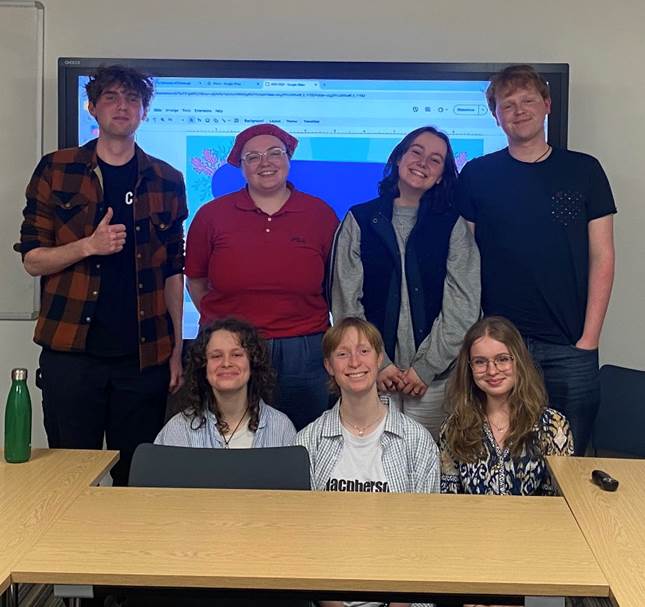
Fig 5: 2025/26 Marine Science Society committee
If you have any questions or would like to get involved next year, don’t hesitate to contact us through our social media below:
- OUR INSTAGRAM: uoe_marinesoc
- OUR LINKEDIN: University of Edinburgh Marine Science Society
For more specific enquiries, please email the president at the address below:
Emma House – s2347885@ed.ac.uk
2024/25 committee – without which none of this would be possible:

 changingoceans.com